The Hai Van Pass: Every Way to Ride It, Priced (2026)
The Hải Vân Pass is a 21km coastal road topping out at 496m between Da Nang and Lăng Cô, made famous by Top Gear and genuinely deserving of it. The Hải Vân Quan summit gate was restored and reopened in 2024, so the fortifications at the top are now a proper stop rather than a ruin behind a fence. Five ways to do it: self-ride on a rented bike at 120,000–200,000₫ a day (manual recommended, and read the licence rules first — they are not optional), easy rider at about $55–65, US Army jeep tour at roughly $75–120, private car $50–80, or the Hải Vân heritage tourist train from about $24, which runs on the cliff-hugging rail line below the road and is one of the world's most scenic short rides. Weather kills the views from October to January — that is the one thing to check before booking anything.
The Hai Van Pass, priced format by format
The road is free. Everything below is the cost of getting onto it, and the range is enormous — from a 120,000₫ scooter rental to a $120 jeep. What you are really choosing between is who is driving, whether you can stop where you want, and whether you are legally allowed to be on the bike at all.
| Format | Price | What it is like | Time | Verdict |
|---|---|---|---|---|
| US Army jeep tour | $75–120 per person, typical | Open-sided restored military jeeps with a driver, which is the point: you get the views, the photographs and the stops without being responsible for the road. The most-booked format on this pass and the one with the least that can go wrong. | 5–8 hrs | WORTH IT |
| Hai Van heritage tourist train | from about $24 (plain seat from ~$10) | The railway runs below the road, on ledges cut into the cliff face, with sea on one side for most of the way. A newer product that almost nobody covers in English. No stops, no photographs of the pass road itself — a completely different experience of the same mountain. | 2–3 hrs each way | WORTH IT |
| Easy rider | ~$55–65 per person | You ride pillion, an experienced local rides the bike, and your luggage goes on a support vehicle if you are transferring to Hue. All of the road, none of the licence problem, and the format most first-timers should take. | 5–8 hrs | WORTH IT |
| Private car | $50–80 per car | The comfortable version, priced per vehicle rather than per head. Air conditioning, luggage space and stops at Lăng Cô and Lập An. It is also the option that works in the rain, which between October and December is not a small consideration. | 4–6 hrs | WORTH IT |
| Self-ride, rented bike | 120,000–200,000₫ per day (~$5–8) | The cheapest and the one with a legal problem attached. Take a manual or semi-automatic — automatics overheat on the climb and struggle on the descent, and the same restriction applies on Sơn Trà. Enforcement on the Hai Van approach is real, with regular checkpoints. | 5–8 hrs | DEPENDS |
| Guided motorbike tour | See live prices | A middle path: you ride your own bike, a guide leads and handles navigation and the stops. It does not solve the licence question — you are still the rider — but it removes the route-finding and the where-do-I-stop problem. | 5–8 hrs | DEPENDS |
| Through the tunnel | Included in most transfers | The Hai Van tunnel bypasses the pass entirely and saves about 40 minutes. Most cheap Hue coach tours take it and do not advertise the fact. If the pass is the reason you booked, confirm the route before you pay. | — | SKIP |
Prices checked August 2026. Motorbikes are not permitted in the Hai Van tunnel, so riders take the pass by default. Jeep and easy-rider prices usually include the Hue drop-off if you are using the pass as a transfer rather than a loop.
Three things that decide whether this goes well
Vietnam recognises only 1968 Vienna Convention international driving permits. The IDPs issued in the United States, Canada, Australia, Ireland and New Zealand are 1949 Geneva permits and are not valid here. British permits are the one most often got wrong: the UK has issued 1968 permits since 2019 and gov.uk lists Vietnam as a 1968 country, so a UK licence carrying category A plus a Post Office permit costing about $7 is legal. Riding anything over 50cc without a recognised permit is illegal. Since Decree 168 took effect on 1 January 2025 the fine is 2–4 million₫ up to 125cc and 6–8 million₫ above it, with the bike held for seven working days — and, the part that actually matters, your travel insurance is void if you crash. Enforcement in Da Nang is stricter than in most Vietnamese beach towns, with regular checkpoints on Vo Nguyen Giap, the bridges and the Hai Van approach. Legal routes: a genuine 50cc or e-scooter, a 1968 permit if your country issues one, or converting a licence once you hold a residence card.
2–4 million₫, 6–8 over 125ccThe pass is 496m up on the boundary between two climate zones — that is why it is there, and it is why the north side is so often in cloud when Da Nang is merely grey. From October to January assume low cloud, drizzle and no view, on top of 650mm of rain in October and 430mm in November. A jeep tour in a whiteout is $100 for a wet drive. February to September is the window, and April to August is the best of it.
This is mechanical, not bureaucratic. Automatic scooters overheat climbing 496m in a Vietnamese summer and have no engine braking for the descent, which is where the accidents happen. Every experienced rider on this road says the same thing: manual or semi-automatic. The same rule applies on the Sơn Trà upper loop, where automatics are actually turned back at a checkpoint.
Trucks and coaches use the pass, the corners are blind, and the surface varies. Helmets are non-negotiable and the cheap rental ones are decorative. There are fatalities on this road and on Sơn Trà most years. If you have not ridden a manual bike on mountain roads before, this is not where to learn — pay the $55–65 for an easy rider and enjoy the view instead.
What to actually stop for on the pass
The road is 21km and the temptation is to ride it in one go. Four stops are worth the time, and one of them is best in the last two hours of daylight.
| Stop | What it is | When | Directions |
|---|---|---|---|
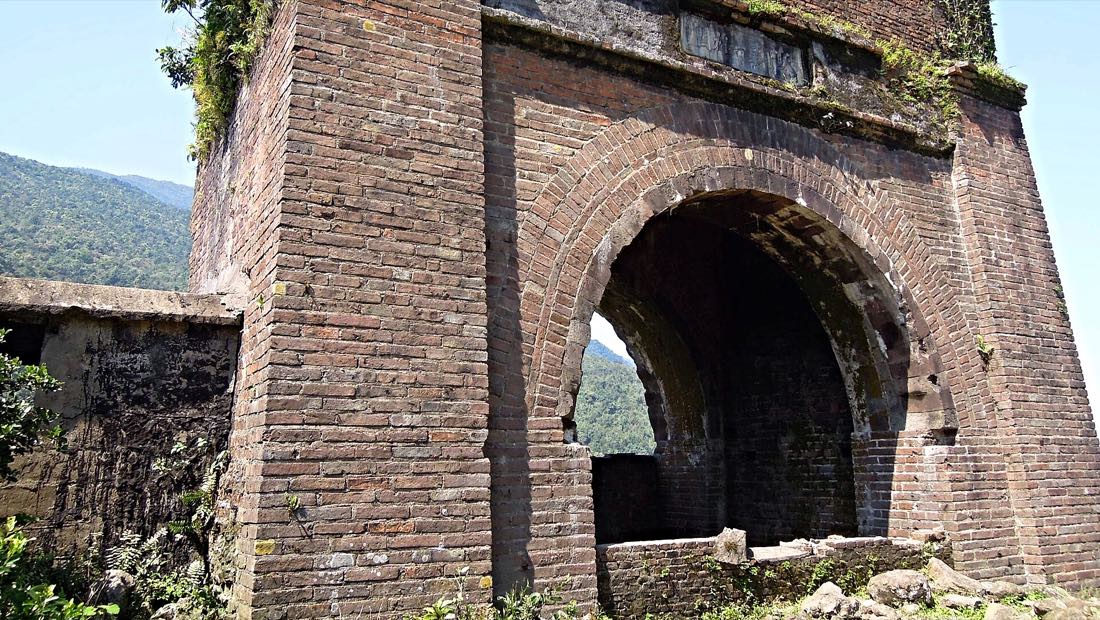
| Hai Van Quan, the summit gate | The Nguyễn-dynasty fortification at the top of the pass, with French and American-era bunkers around it. Restored and reopened in 2024 after years as a fenced ruin — this is the single biggest change to the pass in a decade and most guides have not caught up. | Any clear day. Cold and windy at 496m | Directions to the pass |
| Lap An Lagoon | A shallow oyster lagoon on the Lăng Cô side, mirror-flat in still weather with the mountains reflected in it. The photograph everyone comes back with, and it is on the north side, so a one-way ride to Hue reaches it and a there-and-back day trip sometimes does not. | Late afternoon, when the water goes still | Directions to Lap An |
| Lang Co Bay | The long white beach and fishing village below the north side of the pass, with a viewpoint on the descent that takes in the whole curve. Lunch stop on most tours, and the seafood is the reason. | Midday, on the way through | On the pass road, north side |
| The southern viewpoints | The lay-bys on the Da Nang side, looking back over the bay, the port and the city. Fewer people stop here than at the summit and the view of Da Nang is better. | Morning, with the sun behind you | On the pass road, south side |
The pass runs between Da Nang and Lăng Cô and continues to Hue, 95–100km in total. Riding it one way and taking the train back — or the reverse — is the format most people wish they had chosen.
The Hai Van Pass, practically
The four formats worth booking
The road costs nothing to use, so every price below is the vehicle, the driver and the stops. The comparison that matters: a jeep at $75–120 against a 120,000₫ scooter rental you may not legally be allowed to ride — which is the whole argument on this page.
The longer jeep day, and what riders said
Two extras: a jeep itinerary that adds the coastline either side of the pass, and the review pile that is the fastest way to check current conditions on the road.
Hai Van Pass FAQ
How much does a Hai Van Pass tour cost?
A US Army jeep tour runs about $75–120 per person, an easy rider $55–65, a private car $50–80 per vehicle, and the Hai Van heritage tourist train from about $24. Renting a bike and riding it yourself costs 120,000–200,000₫ a day — the cheapest option by far, and the one with the licence problem attached.
Can you ride the Hai Van Pass without a licence?
Only on the right permit. Vietnam recognises only 1968 Vienna Convention international driving permits, and the ones issued in the United States, Canada, Australia, Ireland and New Zealand are 1949 Geneva documents that are not valid here. British permits have been 1968 issues since 2019 and are valid alongside a licence with category A. Without a recognised permit, riding anything over 50cc is illegal, the fine has been 2–4 million₫ up to 125cc and 6–8 million₫ above it since January 2025, and your travel insurance is void if you crash. Enforcement on the Hai Van approach is stricter than in most of Vietnam.
Is the Hai Van Pass worth it?
From February to September, yes — it is one of the great coast roads and the restored summit gate makes the top a proper stop. From October to January the pass sits in cloud most days and you are paying to drive through fog. Check the forecast before you book anything, because no operator refunds for weather.
Is the Hai Van Quan gate open?
Yes. The summit fortification was restored and reopened in 2024 after years as a fenced ruin, and it is now the main stop on the pass — Nguyễn-dynasty gatehouse, French and American-era bunkers, and the view down both sides. A lot of older guides still describe it as closed or derelict.
Should you take an automatic or a manual bike over the pass?
Manual or semi-automatic, without exception. Automatics overheat on a 496m climb in Vietnamese heat and have no engine braking for the descent, which is where riders get into trouble. The same rule is enforced with checkpoints on the Sơn Trà upper loop, where automatics are physically turned back.
What is the Hai Van heritage train?
A tourist rail service on the Reunification Line between Da Nang and Hue, running on ledges cut into the cliffs below the pass road, from about $24. A plain seat on the same route costs from about $10 and takes 2h48 end to end. It is one of the world's most scenic short rides and almost nothing in English covers it.
How long does the Hai Van Pass take?
The 21km of pass itself takes about 90 minutes riding with a couple of stops. As a day trip from Da Nang with Lăng Cô and Lập An included, budget 5 to 8 hours. As a one-way transfer to Hue it is part of a 95–100km run that most people combine with the Citadel.
What is the best time of day for the Hai Van Pass?
Morning for the southern viewpoints, with the sun behind you looking back at Da Nang Bay. Late afternoon for Lập An Lagoon on the north side, when the water goes mirror-flat. If you can only do one direction, ride north in the afternoon and you get the lagoon at its best.